
Altered state of mind refer to any condition that significantly differs from your normal waking consciousness. These states can be induced through various means, including meditation, sensory deprivation, or even certain activities that engage your mind and body in unique ways. When you experience an altered state, your perception of reality may shift, leading to changes in thoughts, emotions, and sensory experiences.
This can range from heightened awareness and creativity to deep relaxation and introspection. You might find yourself wondering why anyone would want to explore these altered states. The truth is that they can offer profound insights into your psyche, enhance creativity, and even promote healing.
By stepping outside of your usual mental framework, you can gain new perspectives on life and your experiences. However, it’s essential to approach these explorations with curiosity and caution, ensuring that you prioritize safety and well-being throughout the process.
Key Takeaways
- Altered states of mind refer to any mental state that differs from the normal waking consciousness, such as meditation, hypnosis, or sound therapy.
- It is important to use safe and proven methods when exploring altered states of mind to avoid potential negative effects on mental and physical health.
- Meditation and mindfulness practices can help individuals achieve altered states of mind, leading to reduced stress, improved focus, and a greater sense of well-being.
- Breathing techniques, such as deep breathing or pranayama, can induce altered states of mind and promote relaxation and mental clarity.
- Hypnosis and guided imagery can be used to access altered states of mind for therapeutic purposes, such as overcoming phobias or managing chronic pain.
The Importance of Safe Methods
When it comes to exploring altered states of mind, safety should always be your top priority. Engaging in practices that induce these states can be beneficial, but they can also carry risks if not approached correctly. For instance, some methods may lead to overwhelming emotions or disorientation if you are not adequately prepared.
Therefore, it’s crucial to choose safe and well-researched techniques that have been proven to be effective and low-risk. Before diving into any practice, take the time to educate yourself about the method you wish to try. Understand its potential benefits and risks, and consider consulting with a professional or someone experienced in the technique.
This preparation will help you create a safe environment for your exploration. Remember, the goal is to enhance your well-being and understanding of yourself, not to put yourself in harm’s way.
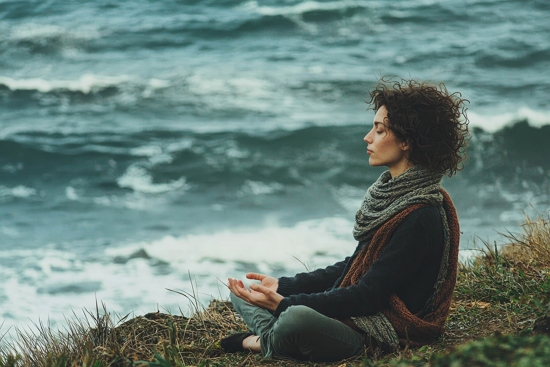
Meditation and Mindfulness – Altered state of mind
Meditation is one of the most accessible ways to achieve an altered state of mind. It involves focusing your attention and eliminating distractions to reach a heightened state of awareness or relaxation. To get started with meditation, find a quiet space where you won’t be disturbed.
Sit comfortably, either on a chair or on the floor with your legs crossed. Close your eyes gently and take a few deep breaths to center yourself. Begin by focusing on your breath.
Inhale deeply through your nose, allowing your abdomen to expand, and then exhale slowly through your mouth. As thoughts arise, acknowledge them without judgment and gently bring your focus back to your breath. Start with just five minutes a day and gradually increase the duration as you become more comfortable with the practice.
Over time, you may find that meditation helps you access deeper states of consciousness, leading to greater clarity and peace. Mindfulness is another powerful tool that complements meditation. It involves being fully present in the moment and observing your thoughts and feelings without judgment.
You can practice mindfulness in everyday activities such as eating, walking, or even washing dishes. By bringing awareness to these simple tasks, you can cultivate a sense of calm and connection to the present moment. This practice can help you develop a deeper understanding of your mind and emotions while promoting overall well-being.
Breathing Techniques
Breathing techniques are a simple yet effective way to alter your state of mind. By consciously controlling your breath, you can influence your body’s physiological responses and shift your mental state. One popular technique is called “box breathing,” which involves inhaling, holding, exhaling, and holding again for equal counts.
To practice box breathing, find a comfortable position and close your eyes. Inhale deeply through your nose for a count of four, filling your lungs completely. Hold your breath for another count of four.
Exhale slowly through your mouth for four counts, emptying your lungs entirely. Finally, hold your breath again for four counts before repeating the cycle. Aim for five minutes of this practice to experience its calming effects.
To perform this technique, sit comfortably and use your right thumb to close off your right nostril. Inhale deeply through your left nostril for a count of four.
Close the left nostril with your right ring finger, release the right nostril, and exhale through it for a count of four. Inhale through the right nostril for four counts, then switch again to exhale through the left nostril. Continue this pattern for several minutes to promote relaxation and mental clarity.

Hypnosis and Guided Imagery
Hypnosis is a fascinating method for exploring altered states of mind that involves focused attention and heightened suggestibility. While it may seem mysterious or even intimidating, hypnosis can be a safe and effective way to access deeper levels of consciousness. You can either work with a trained hypnotherapist or try self-hypnosis techniques at home.
To practice self-hypnosis, find a quiet space where you can relax without interruptions. Sit or lie down comfortably and take several deep breaths to calm your mind. Focus on a specific goal or intention for your session—this could be relaxation, stress relief, or even enhancing creativity.
As you breathe deeply, visualize a peaceful scene or imagine yourself in a serene environment. Allow yourself to sink deeper into relaxation with each breath while repeating positive affirmations related to your intention. Guided imagery is another powerful technique that can help you enter an alteredAltered state of mind.
This method involves using visualization to create mental images that promote relaxation or healing. You can find guided imagery recordings online or create your own script by describing a peaceful scene in detail—such as a tranquil beach or a lush forest. As you listen or read through the imagery, allow yourself to fully immerse in the experience, engaging all your senses to enhance the journey.
Sound Therapy – Altered state of mind
Sound therapy is an intriguing way to alter your Altered state of mind using sound frequencies and vibrations. Different sounds can evoke various emotional responses and help you achieve relaxation or heightened awareness. You might explore sound baths, binaural beats, or even simple music playlists designed for meditation.
To experience sound therapy at home, consider creating a calming playlist filled with soothing music or nature sounds.
Close your eyes and focus on the sounds around you—allow them to wash over you without judgment or analysis.
As you listen, pay attention to how different sounds affect your mood and mental state. Another popular method is using binaural beats—two slightly different frequencies played in each ear that create an auditory illusion of a third tone in the brain. This technique can help induce relaxation or focus depending on the frequency used.
You can find binaural beats recordings online tailored for various purposes such as sleep enhancement or concentration.

Movement and Dance
Movement is a powerful way to alter your Altered state of mind by connecting with your body and releasing pent-up energy or emotions. Engaging in physical activities like dance or yoga can help you tap into different aspects of yourself while promoting relaxation and joy. To explore movement as a means of altering consciousness, consider trying free-form dance in a safe space where you feel comfortable expressing yourself without judgment.
Put on some music that resonates with you and allow your body to move freely—let go of inhibitions and simply enjoy the experience of movement. Yoga is another excellent option for connecting body and mind while achieving an altered state of awareness. Through mindful movement combined with breathwork, yoga encourages relaxation and introspection.
You can follow along with online classes or simply create your own flow by incorporating poses that feel good for you.
Plant-Based Medicine and Herbal Remedies
Plant-based medicine has been used for centuries across various cultures as a means of altering consciousness safely and effectively. Many herbs have properties that can promote relaxation, enhance mood, or even facilitate spiritual experiences when used responsibly. Before exploring herbal remedies, it’s essential to do thorough research on each plant’s effects and potential side effects.
Some popular options include chamomile for relaxation, lavender for stress relief, and ginseng for energy enhancement. You might consider brewing herbal teas or using essential oils in aromatherapy practices as gentle ways to incorporate these plants into your routine. If you’re curious about more potent plant-based options like psilocybin mushrooms or ayahuasca, it’s crucial to approach these substances with caution and respect for their power.
Always seek guidance from experienced practitioners who prioritize safety and ethical practices when exploring these avenues. In conclusion, exploring altered states of mind can be an enriching journey filled with self-discovery and personal growth. By engaging in safe methods such as meditation, breathing techniques, hypnosis, sound therapy, movement, and plant-based remedies, you can unlock new dimensions of awareness while prioritizing your well-being throughout the process.
Remember to approach each experiment with curiosity and an open heart as you navigate this fascinating landscape of consciousness.
If you are interested in exploring ways to boost your mood instantly, you may want to check out this article on mindset-4u.com. It provides helpful tips and techniques to improve your Altered state of mind and overall well-being. Additionally, if you are looking to deepen your connection with your partner, you may find this article on mindset-4u.com insightful. And for those interested in practicing self-compassion, this article on mindset-4u.com offers a three-step guide to cultivating a more mindful and compassionate mindset.
FAQs
What is an altered state of mind?
An altered state of mind refers to a change in one’s mental state, often characterized by changes in perception, mood, cognition, or consciousness. This can be induced by various factors such as meditation, hypnosis, drugs, or mental illness.
What are the common causes of altered states of mind?
Altered states of mind can be caused by a variety of factors including meditation, hypnosis, psychoactive substances (such as drugs or alcohol), sleep deprivation, mental illness, or even certain medical conditions.
What are the potential risks of altered states of mind?
Altered states of mind can pose potential risks, especially when induced by psychoactive substances. These risks may include impaired judgment, increased risk of accidents or injuries, and potential long-term effects on mental health. It is important to approach altered states of mind with caution and seek professional guidance when necessary.
How can altered states of mind be beneficial?
Altered states of mind can have potential benefits, such as increased self-awareness, relaxation, stress reduction, and enhanced creativity. Practices like meditation and mindfulness can induce altered states of mind that have been associated with positive mental and physical health outcomes.
When should someone seek professional help for an altered state of mind?
If an altered state of mind is causing distress, impairment in daily functioning, or if it is induced by substance abuse, it is important to seek professional help. Additionally, if an altered state of mind is accompanied by symptoms of mental illness or if it persists for an extended period of time, it is advisable to seek the guidance of a mental health professional.
If you’re curious about exploring altered states of mind—whether through meditation, sound, breathwork, or movement—it’s essential to approach the experience with both curiosity and care. These states can open doors to creativity, emotional release, and deep self-reflection, but they also require safe, well-informed practices.
To deepen your understanding, here are two powerful resources that explore altered states of consciousness and how they can be used for healing, growth, and transformation:
1. Verywell Mind – “What Are Altered States of Consciousness?”
This article breaks down the different types of altered states, how they’re triggered, and the psychological effects—offering a clear, science-based overview.
2. Mindful.org – “How to Work with Altered States of Consciousness”
A practical guide to using mindfulness and meditation to intentionally access and navigate altered states in safe, grounded ways.





